Rescueboarding
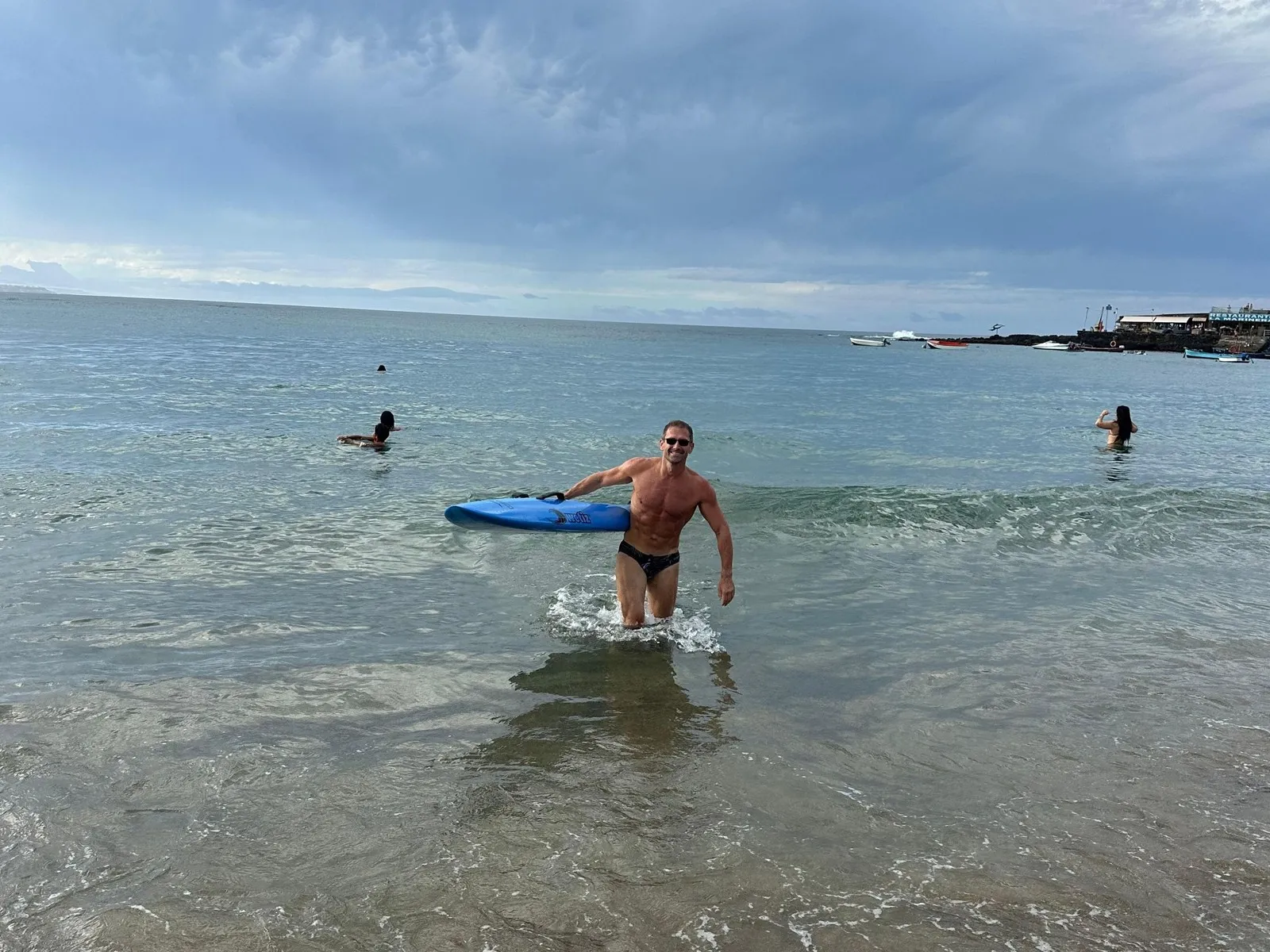
1 / 3
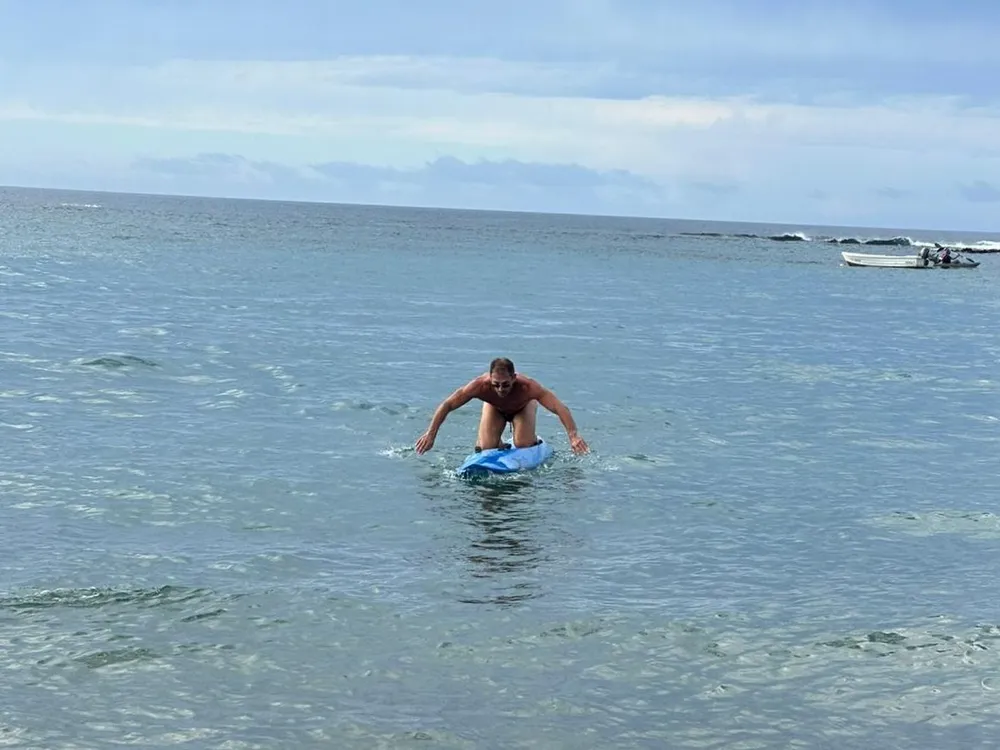
Rescueboarding comes out of lifesaving. The board is what a lifeguard reaches for when someone is in trouble away from the shore: it gets you out through the water far faster than swimming, and it gives you something solid to pull an exhausted person onto, so the two of you can come back in together instead of you dragging them.
The same board is a competition discipline. At lifesaving championships there are board races paddled around a buoy course, and board rescue events where one athlete paddles out to a waiting swimmer and brings them back in on the board. It is one of the few sports where the race and the actual job are the same movement.
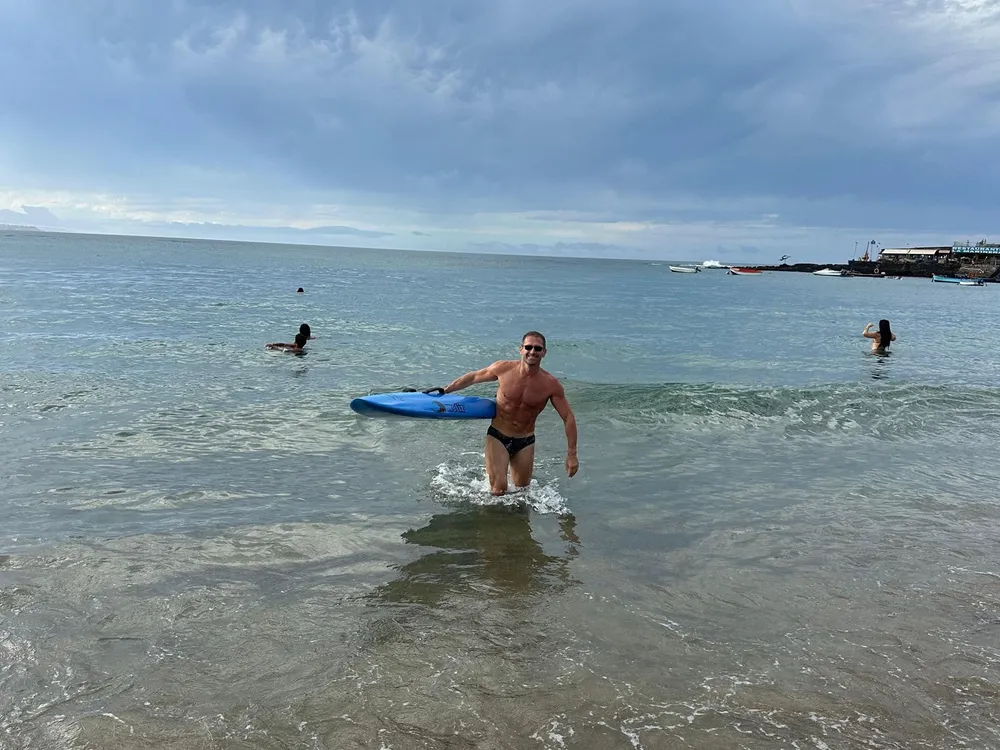
We keep a professional rescue board at the coliving, and Las Canteras is an unusually good place to learn on. The reef takes the worst out of the swell, so the sheltered part of the beach stays flat enough to get the paddling technique and the prone-to-knees transition right. La Cícer at the far end of the promenade gives you real surf once you want it.
No club membership and no licence needed to take it out. If you have never been on one, ask first: getting on and off a board in moving water is the part worth being shown once rather than worked out the hard way.
The most unusual sport on this list. It is also a competition discipline, with board races around a buoy course and board rescue events - one of the few sports where the race and the actual job are the same movement.
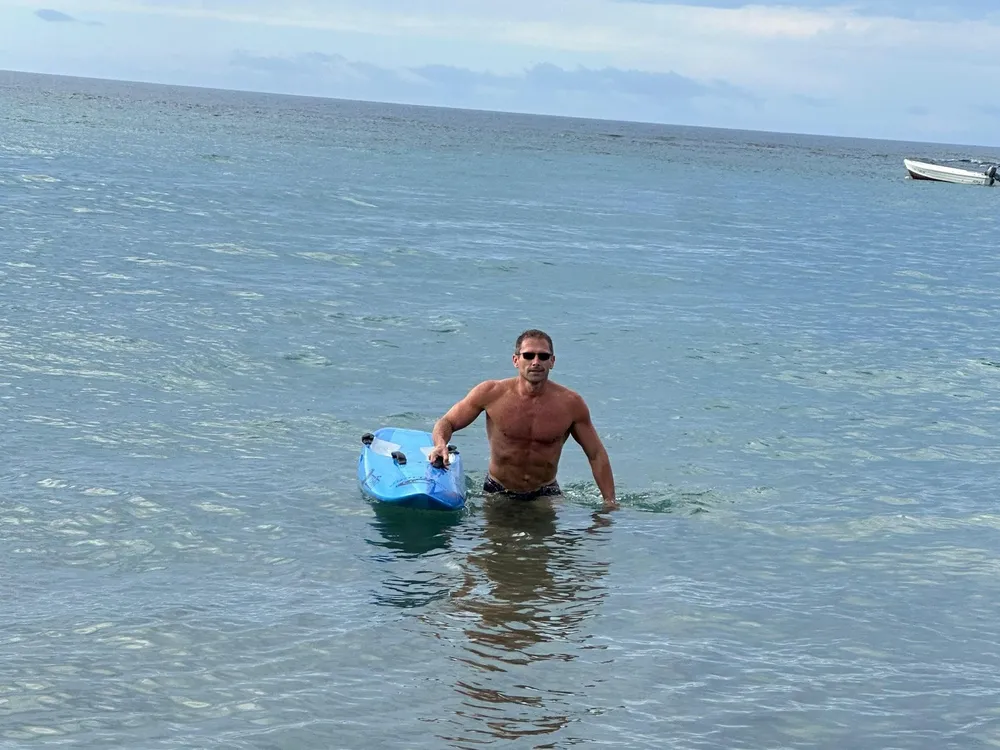
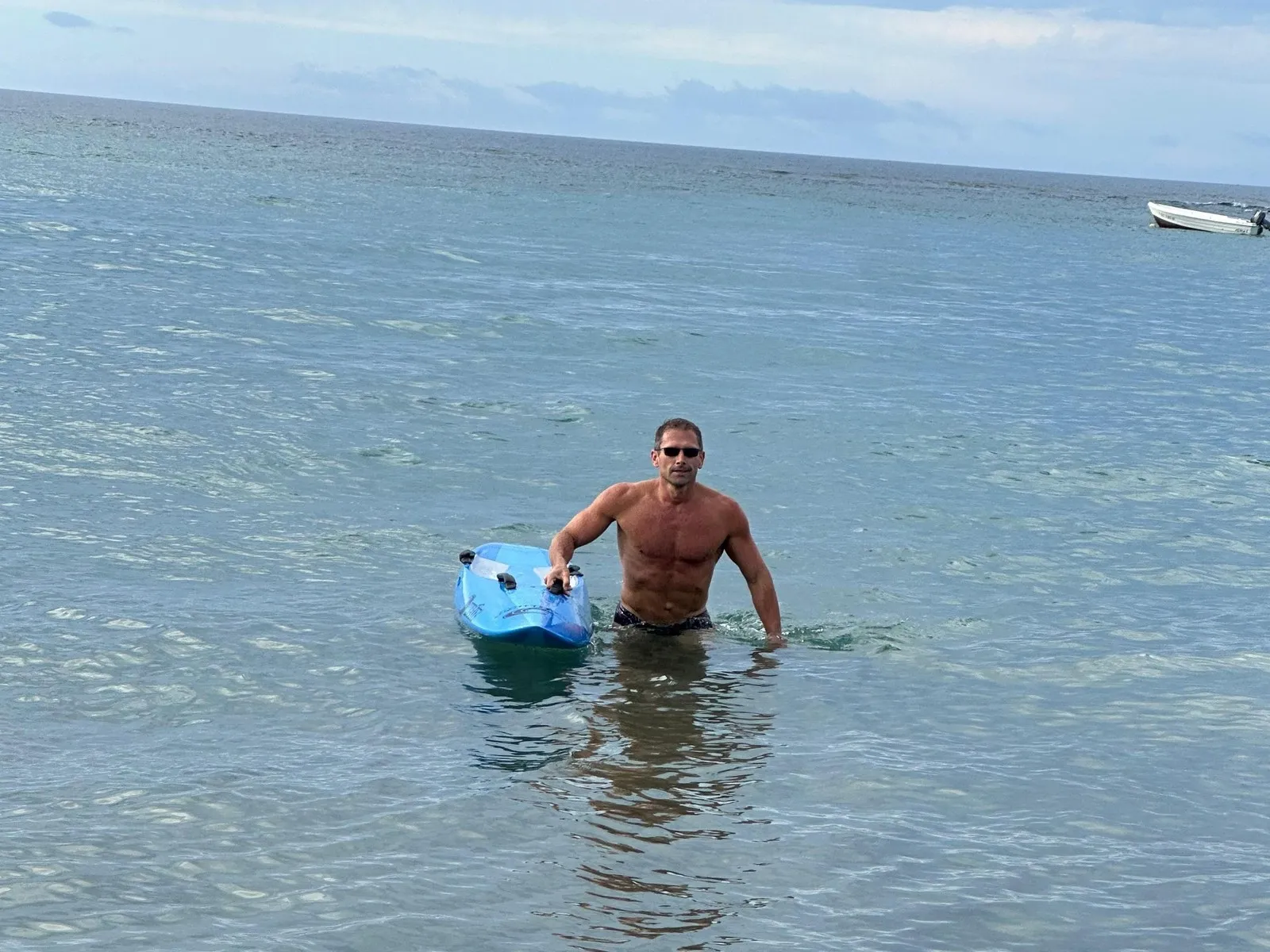
We keep a professional rescue board here and you can take it out yourself, all year round. Las Canteras is an unusually good place to learn on: the reef takes the worst out of the swell, so the sheltered water stays flat enough to get the paddling technique and the prone-to-knees transition right.
Ask us before you take the board out. It is the one piece of equipment you cannot simply pick up: we will show you the basics and the risks first, and we are glad to do it. After that it is yours to use.
The corner we use is about 420 metres from the HQ, at the stretch where la barra - the little reef 200 to 300 metres out - lies deep enough to pass. That matters: in other places the reef sits just under the surface, where riding over it damages the board and a wave that knocks you off can hurt you badly.
- Never go past the barra without experience on the board. Behind it is the open Atlantic.
- With experience, go only after checking waves, weather and currents.
- Small boats use the same passage. They move slowly and watch for swimmers, and a board is easy to see - but keep a lookout anyway.